Best CD Terms for Savers (November 2026): Up to 5.00% APY
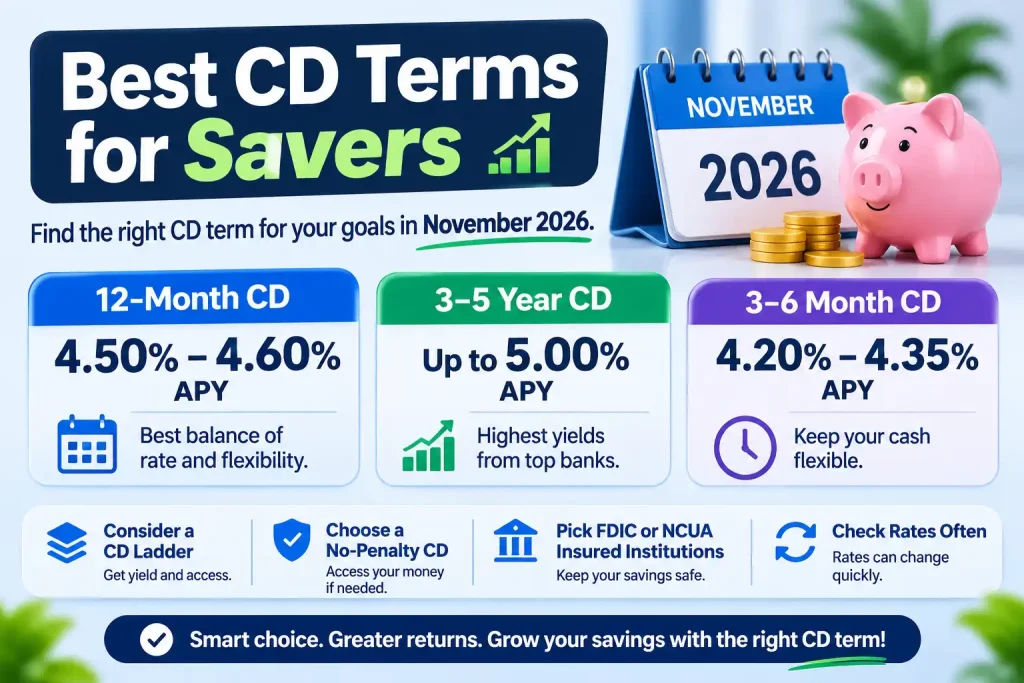
The best CD terms for savers in November 2026 depend on your timeline. A 12-month CD offers the best balance. Top 12-month APYs sit near 4.50% to 4.60%. Long-term CDs of three to five years pay the highest yields, up to 5.00% APY at Popular Direct, Sallie Mae, and Quorum Federal Credit Union. Short terms of three to six months pay about 4.20% to 4.35% APY and keep your cash flexible.
Choose a CD ladder if you want yield and access. Choose a no-penalty CD if you may need the money early. Always pick FDIC-insured banks or NCUA-insured credit unions. Rates change often, so confirm live offers before you deposit.
Best CD Terms at a Glance
These APYs come from early November 2026 listings. Rates differ by lender. Verify each offer before you open an account.
- 3-month CD: About 4.30% APY at Popular Direct. Best for a short savings goal.
- 6-month CD: About 4.20% to 4.35% APY. E*Trade lists 4.20%. Popular Direct lists 4.35%.
- 12-month CD: About 4.50% to 4.60% APY. Popular Direct lists 4.60%. Sallie Mae, Live Oak Bank, and Quorum Federal Credit Union list near 4.50%.
- 18-month CD: About 4.80% APY at Popular Direct.
- 3-year to 5-year CD: Up to 5.00% APY. Popular Direct and Sallie Mae lead the five-year category.
Some sources show lower short-term yields, near 4.10% APY. Different lender mixes explain the gap. Compare several offers before you choose.
How to Choose the Right CD Term
Match the term to your cash needs. Do not chase the highest APY alone. A CD that locks your money too long can cost you more in penalties than it earns in interest.
Ask three questions first:
- When will I need this money?
- Can I afford an early withdrawal penalty?
- Do I expect rates to rise or fall?
Your answers point to a term. The sections below show how.
Short-Term CDs: 3 to 6 Months
Short terms suit savers who need liquidity within half a year. They also suit savers who expect rates to change soon. You can reinvest at a new rate when the CD reaches its maturity date. The trade-off is reinvestment risk. If rates fall, your next CD may pay less. Short terms also pay a little less than the best long-term CDs.
Mid-Term CDs: 12 to 18 Months
The 12-month CD is the most popular choice. It pays a strong yield and asks for a moderate commitment. Top offers reach 4.50% to 4.60% APY. An 18-month CD can pay more, with Popular Direct listing 4.80% APY. Pick this range if you have a clear goal about one to two years away. A home down payment or a planned tuition bill fits well.
Long-Term CDs: 3 to 5 Years
Long terms lock in the highest rates. The top five-year CDs pay up to 5.00% APY. This protects you if rates drop later. Choose a long term only with money you will not need. Early withdrawal penalties on long CDs are the largest. Rates may also rise after you lock in, which means you miss the higher yield.
How CD Interest and APY Work
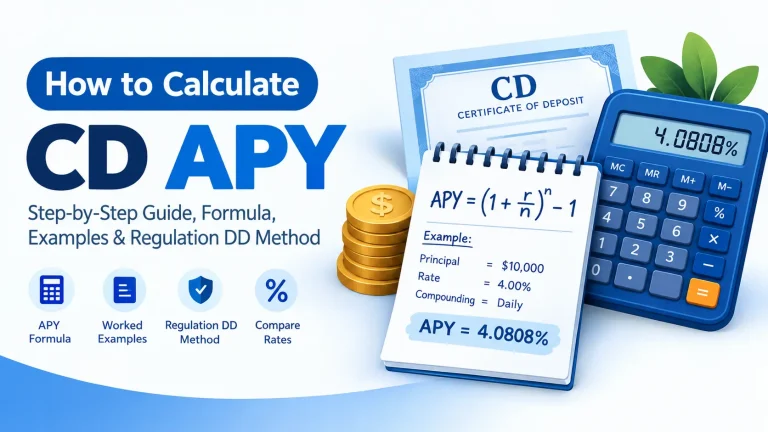
APY means annual percentage yield. It shows your total yearly return, including compound interest. An interest rate, also called a nominal rate, does not include compounding. Always compare APY across banks. Popular Direct shows the difference clearly. Its 12-month CD lists a 4.498% interest rate and a 4.60% APY. Its 18-month CD lists 4.689% and 4.80%. The APY is higher because interest compounds.
Here are real examples on a $10,000 deposit:
- 6 months at 4.35% APY: about $215.18 in interest.
- 12 months at 4.50% APY: $450.00 in interest.
- 18 months at 4.80% APY: about $728.57 in interest.
- 5 years at 5.00% APY: $2,762.82 in interest, for a final balance of $12,762.82.
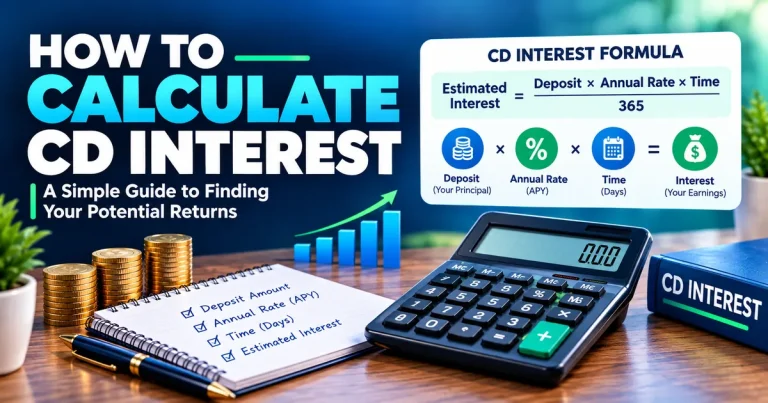
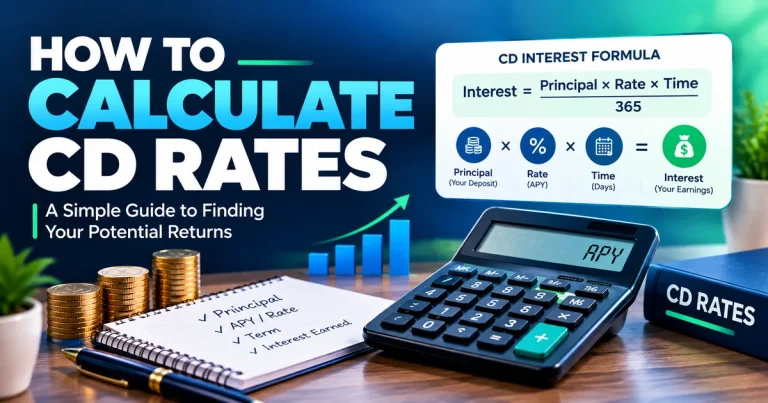
Compounding frequency matters less than the APY itself. Banks compound daily or monthly. The APY already accounts for it. Use a CD calculator to test your own deposit, APY, and term.
How the Rate Environment Affects Your Term
The Federal Reserve sets the federal funds rate. CD rates tend to follow it. When the Federal Reserve cuts interest rates, new CD rates usually fall. When it raises rates, new CD rates usually rise.
This creates two risks:
- Reinvestment risk: Your CD matures and rates are lower.
- Interest rate risk: You lock in and rates rise.
No one predicts rates with certainty. If you worry about falling rates, lock in a longer term. If you worry about rising rates, stay short. If you cannot decide, split your money across terms.
CD Ladder Strategy: Step by Step
A CD ladder spreads your savings across several terms. You get regular access to cash and keep competitive yields.
Follow these steps:
- Choose your total amount. Example: $25,000.
- Divide it into equal parts. Example: five parts of $5,000.
- Open five CDs with different terms: 1 year, 2 years, 3 years, 4 years, and 5 years.
- When the 1-year CD matures, withdraw the cash or reinvest it in a new 5-year CD.
- Repeat each year. Soon every CD in your ladder has a 5-year term, and one matures every year.
You can also build a shorter ladder with 3-month, 6-month, 1-year, 2-year, and 5-year CDs. This gives you cash access sooner.
Some savers use a barbell strategy instead. They buy only short and long terms and skip the middle. This keeps some cash flexible and some locked at high rates.
No-Penalty CDs and Early Withdrawal Penalties
A no-penalty CD lets you withdraw before maturity without a fee. Marcus by Goldman Sachs offers this type. The trade-off is a slightly lower APY. Standard CDs charge a penalty. Fifth Third Bank shows how penalties scale:
- 7 to 364 days: 1% of principal withdrawn.
- 365 days to 36 months: 2% of principal withdrawn.
- 36 months or more: 3% of principal withdrawn.
Many banks charge months of interest instead. Either way, a penalty can eat your earnings. In some cases, it can reduce your original deposit. Read the disclosure before you sign.
Minimum Deposits and Where to Shop
Minimums vary a lot. Synchrony and Capital One offer options with a $0 minimum deposit. Other online banks ask for $500 to $2,500 or more. Quorum Federal Credit Union lists a $100 minimum. Online banks and credit unions often pay more than large branch banks. Jumbo CDs usually require $100,000 or more. They do not always pay more, so compare them with regular CDs. Brokerage firms such as E*Trade also sells CDs. Brokered CDs come from issuing banks. Check the issuer for FDIC insurance.
Safety: FDIC and NCUA Insurance
Insurance protects your deposit if an institution fails.
- FDIC-insured banks: Coverage reaches $250,000 per depositor, per insured bank, per ownership category.
- NCUA-insured credit unions: Coverage also reaches $250,000 through the National Credit Union Share Insurance Fund.
If you hold more than $250,000, spread it across institutions. Verify coverage on the FDIC or NCUA websites before you deposit.
CD vs. High-Yield Savings Account
A high-yield savings account pays a variable rate. The bank can lower it at any time. A CD fixes your rate for the full term. Savings rates often trail CD rates. One large bank promotion shows a 3.25% variable APY that requires a $25,000 balance. A top 12-month CD pays about 4.50%. Use both. Keep your emergency fund in savings for instant access. Put planned-goal money in a CD for a guaranteed return.
Understand Maturity Dates and Renewal
Your maturity date is the day your CD term ends. Most banks give a grace period, often 7 to 10 days. During it, you can withdraw, add funds, or switch terms without penalty. Many CDs renew automatically. The new term may pay a lower rate. Set a calendar reminder two weeks before maturity. Then compare current offers.
Taxes on CD Interest
The IRS treats CD interest as ordinary income. Your bank sends Form 1099-INT if you earn $10 or more. You owe tax in the year the interest posts, even if you leave it in the CD. Ask a tax professional about your situation.
Common Mistakes to Avoid
- Choosing the highest APY without checking the penalty.
- Locking in all your cash for five years.
- Ignoring the minimum deposit.
- Missing the grace period and triggering auto-renewal.
- Skipping the FDIC or NCUA coverage check.
- Comparing nominal rates instead of APY.
Quick Checklist Before You Open a CD
- Confirm the APY and term.
- Check the minimum deposit.
- Read the early withdrawal penalty.
- Note the maturity date and grace period.
- Verify FDIC or NCUA insurance.
- Calculate your expected interest.